-
tel:
+86-18961602506 -
email:
fly03@flynewenergy.com

FLY
Advantages and disadvantages of ternary lithium-ion batteries and lithium iron phosphate batteries
Jan 15, 2024
Ternary lithium-ion batteries and lithium iron phosphate batteries are two types of lithium-ion batteries that are currently widely used. They each have some advantages and disadvantages and can be selected according to specific application scenarios.
Ternary lithium batteries generally refer to ternary polymer lithium batteries, which refer to lithium batteries whose cathode material uses lithium nickel cobalt manganate (Li(NiCoMn)O2) or lithium nickel cobalt aluminate.
.jpg)
Advantages of ternary lithium-ion batteries:
1. High energy density: Ternary lithium batteries have high energy density and can provide high energy storage capacity. They are suitable for some applications that require high energy density, such as electric vehicles.
2. Long charge-discharge cycle life: Ternary lithium batteries have a good cycle life and have a large number of charge-discharge cycles, which can reach more than thousands of times. They are suitable for long-term use scenarios.
3. Fast charging speed: Compared with other types of lithium-ion batteries, ternary lithium batteries have faster charging speed.
Disadvantages of ternary lithium-ion batteries:
1. High cost: Compared with lithium iron phosphate batteries, the manufacturing cost of ternary lithium batteries is higher.
2. Poor safety: Under extreme conditions, such as high temperature environments, the safety of ternary lithium batteries is relatively poor.
3. Larger size and weight: Ternary lithium batteries have higher energy density, but at the same energy capacity, their size and weight are usually larger than lithium iron phosphate batteries.
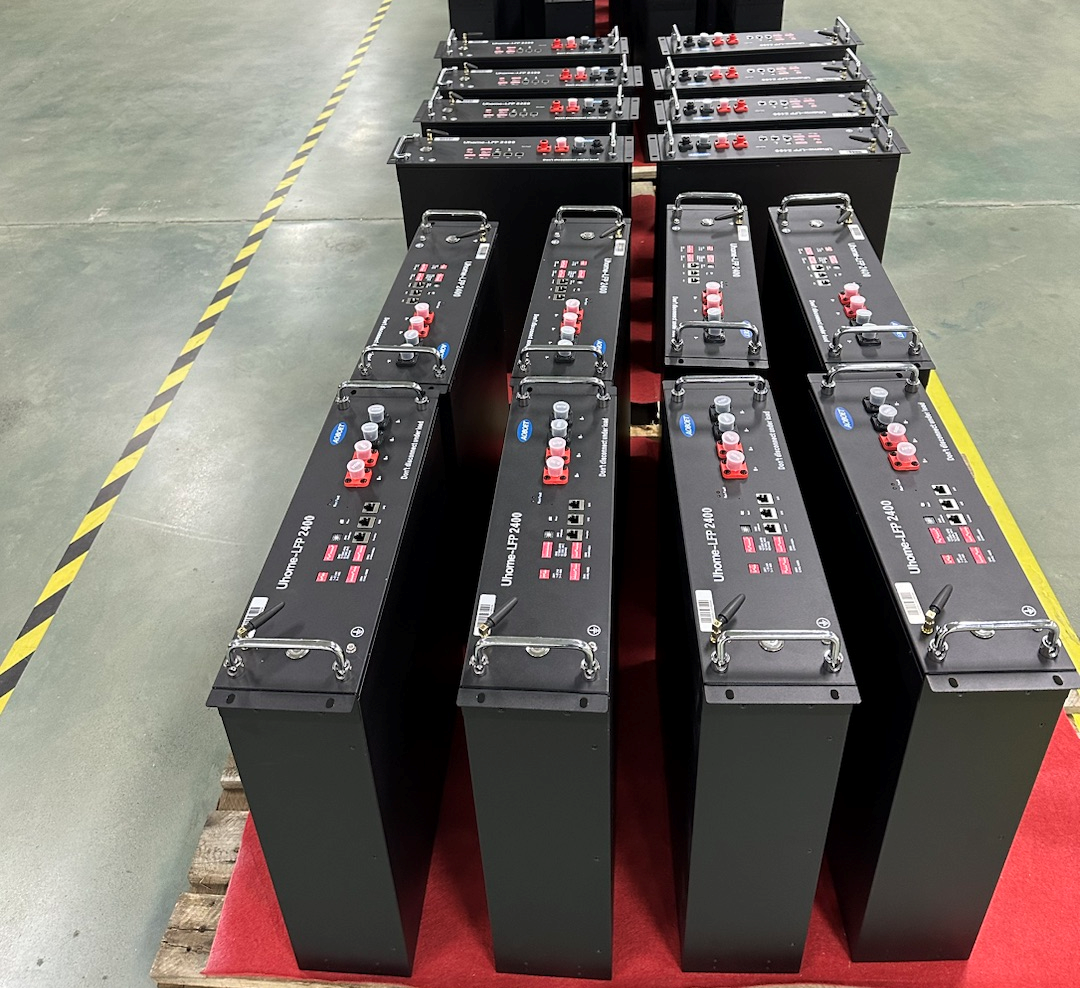
Lithium iron phosphate battery is a lithium-ion battery that uses lithium iron phosphate (LiFePO4) as the positive electrode material and carbon as the negative electrode material.
Advantages of lithium iron phosphate batteries:
1. Good safety: Lithium iron phosphate batteries are relatively safe in high temperature environments and have good thermal stability.
2. Low cost: Compared with ternary lithium batteries, the manufacturing cost of lithium iron phosphate batteries is lower.
3. Environmental protection: Lithium iron phosphate battery materials have low material costs and do not contain heavy metals, making them environmentally friendly batteries.
Disadvantages of lithium iron phosphate batteries:
1. Relatively low energy density: The energy density of lithium iron phosphate batteries is low, and the battery with the same capacity is also heavier.
2. Slow charging speed: Compared with ternary lithium batteries, lithium iron phosphate batteries have a slower charging speed.
3. Short cycle life: Compared with ternary lithium batteries, lithium iron phosphate batteries have a shorter charge-discharge cycle life.
When choosing to use ternary lithium-ion batteries and lithium iron phosphate batteries, trade-offs and selections need to be made based on specific application requirements to meet different requirements for energy density, safety, cost and cycle life.

Recent Posts

October 26, 2016
The Most Successful Engineering Contractor



Contact US
Product Information
Quantity
Unit
Piece
Support order samples, customization, wholesale direct, and complete payment. If the product you look for does not have corresponding customized content, pls fill out the form below to contact us, and we will reply ASAP.