-
tel:
+86-18961602506 -
email:
fly03@flynewenergy.com

FLY
2023CBTC Shenzhen International Lithium Technology and Lithium Battery Exhibition
Oct 10, 2023
In today's era of increasingly strong energy demand and deeply rooted environmental protection concepts, lithium batteries have become the focus of global attention. In order to further promote the development of the new energy battery industry and strengthen exchanges and cooperation between countries, the Shenzhen International Lithium Battery Technology and Lithium Battery Exhibition will be held grandly at the Shenzhen Futian Convention and Exhibition Center from December 1 to 3, 2023.

What is the recycling value and application direction of power lithium batteries?
1. Lithium batteries have recycling (echelon + regeneration) environmental value
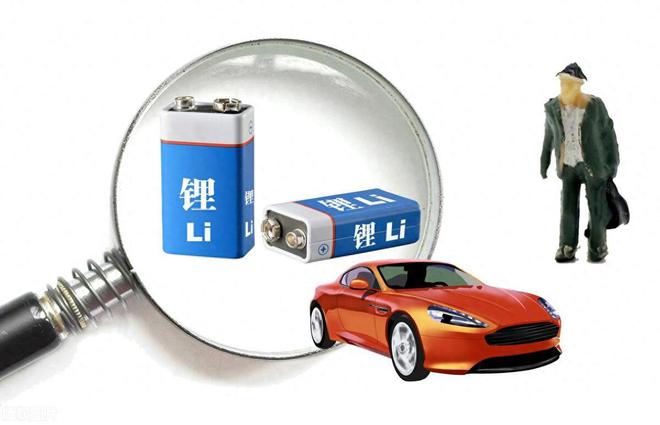
Batteries contain a variety of harmful substances, and random disposal will have a huge impact on the ecology. Lithium batteries need to be recycled after the end of their life cycle, mainly for environmental and economic considerations. The substances usually contained in lithium batteries are as follows. According to the 2011 version of the U.S. Hazardous Substances List, Ni, Co, and phosphide have scores of more than 1,000 and are considered high-risk substances. If used lithium-ion batteries are treated by ordinary garbage disposal methods (including landfill, incineration, composting, etc.), the metals such as cobalt, nickel, lithium, manganese, and inorganic and organic compounds will definitely cause serious pollution to the atmosphere, water, and soil. , extremely harmful. If the substances in used lithium-ion batteries enter the ecology, they can cause heavy metal nickel and cobalt pollution (including arsenic), fluorine pollution, organic matter pollution, dust and acid-base pollution. The electrolytes and their conversion products of used lithium-ion batteries, such as LiPF6, LiAsF6, LiCF3SO3, HF, P2O5, etc., and solvents and their decomposition and hydrolysis products, such as DME methanol, formic acid, etc., are toxic and harmful substances that can cause personal injury and even die.
2. Economic value of lithium battery recycling (echelon + regeneration)
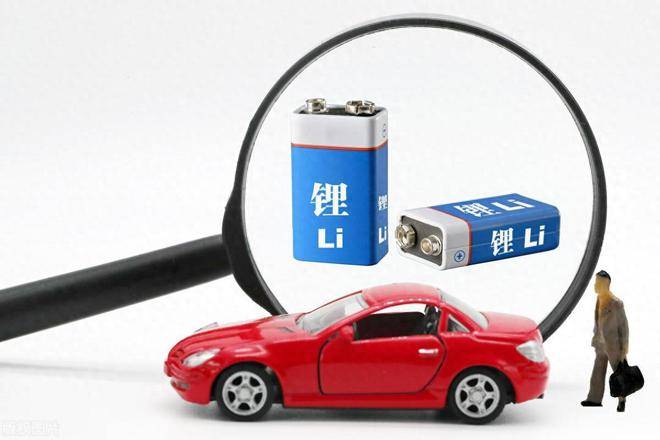
Battery material recycling has multiple economic values, including energy value rediscovery and material recycling value. The economic aspect also deserves attention, which mainly includes three aspects: 1. After lithium batteries are retired from high-end appliances, they can still meet the needs of some low-end appliances, usually electric toys, energy storage facilities, etc. After recycling, Ladder utilization can give more value to lithium batteries, especially retired power lithium batteries; 2. Even if the electrical performance cannot meet deeper uses, the relatively rare metals such as Li, Co, and Cu contained in them still have recycling value; 3. Due to the huge difference between the energy consumption of some metal reduction and metal regeneration energy (Figure 1), such as Al, Ni, and Fe, metal recycling has economic value in terms of energy consumption. Different types of lithium batteries contain different types of metals and their proportions. One ton of traditional consumer lithium cobalt oxide batteries corresponds to about 170 kilograms of cobalt metal. In terms of copper, aluminum, and lithium, the contents are mostly similar. Therefore, overall the recycling value of lithium cobalt oxide batteries will be greater than other categories, such as lithium iron phosphate batteries and ternary lithium batteries.
3. Recycling process: Internationally, fire method + wet method is used, while domestically, recycling is the main method.
Countries have the same goals for lithium battery recycling, but their models and methods vary. Developed countries entered the field of battery recycling earlier and have corresponding methods: the United States has an extended producer responsibility + consumer deposit system. This model allows consumers to charge a certain amount of handling fees when purchasing batteries and battery manufacturers to invest part of the recycling fees as financial support for product scrap recycling. At the same time, used battery recycling companies sell purified raw materials to battery manufacturers at negotiated prices. This model It not only allows battery manufacturers to fulfill relevant responsibilities and obligations, but also ensures the profits of old battery recycling companies to a certain extent and implements the extended producer responsibility system;
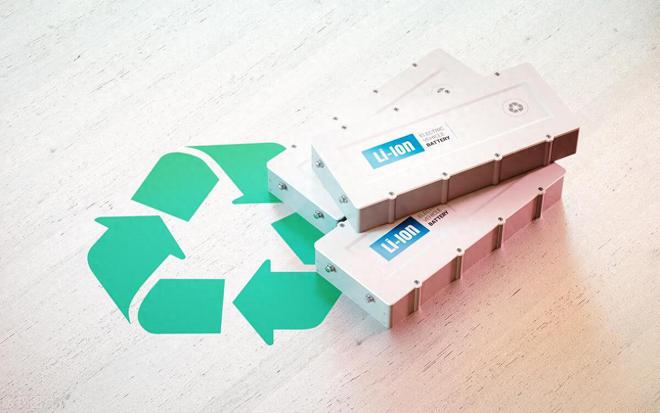
Germany is the battery manufacturer that bears corresponding responsibilities. The marketization of the waste battery recycling system was established using funds and deposit mechanisms and achieved good results. According to German battery recycling legislation, German battery manufacturers and importers must register with the government, dealers must organize recycling mechanisms, and users are obliged to hand over old batteries to designated recycling agencies; Japan has national legislation and regulates battery production Enterprises provide subsidies. Japanese battery manufacturers adopt a battery recycling plan and establish a battery recycling system of "battery-sales-recycling-regeneration processing". After the batteries are recycled, they are transported back to the battery manufacturer for processing. At the same time, the government provides corresponding subsidies to the manufacturer.
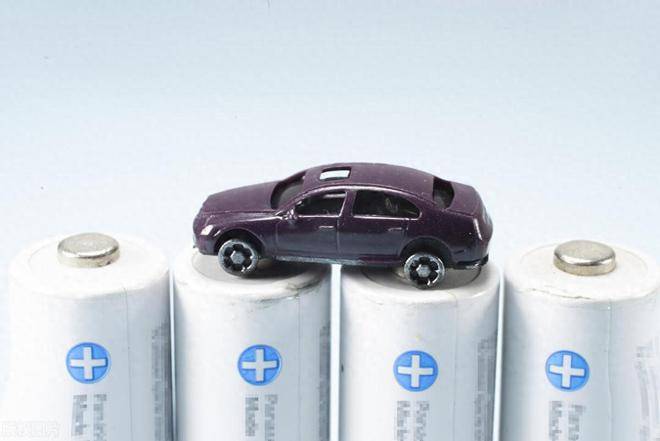
The mainstream methods of international and domestic recycling are divided into: fire method, wet method and mechanical separation method. Umicore adopts a path that combines fire and wet methods. The principle is that the battery is first smelted in a furnace at nearly 1,000 degrees Celsius. At this time, the liquid and organic matter are decomposed, leaving the alloy. The various metals in the alloy are then separated through chemical reactions such as acid-base precipitation. The biggest advantages of this method are: 1. It can handle lithium batteries, nickel metal hydride, and nickel cadmium batteries at the same time; 2. It has a high degree of automation and less manual participation; 3. High temperature reduces the toxicity of battery materials. Its disadvantages are: 1. Mn easily exists in waste residue and is difficult to recover; 2. The recycling rate of Li is low and it is easy to evaporate at high temperatures.

Recent Posts




Contact US
Product Information
Quantity
Unit
Piece
Support order samples, customization, wholesale direct, and complete payment. If the product you look for does not have corresponding customized content, pls fill out the form below to contact us, and we will reply ASAP.